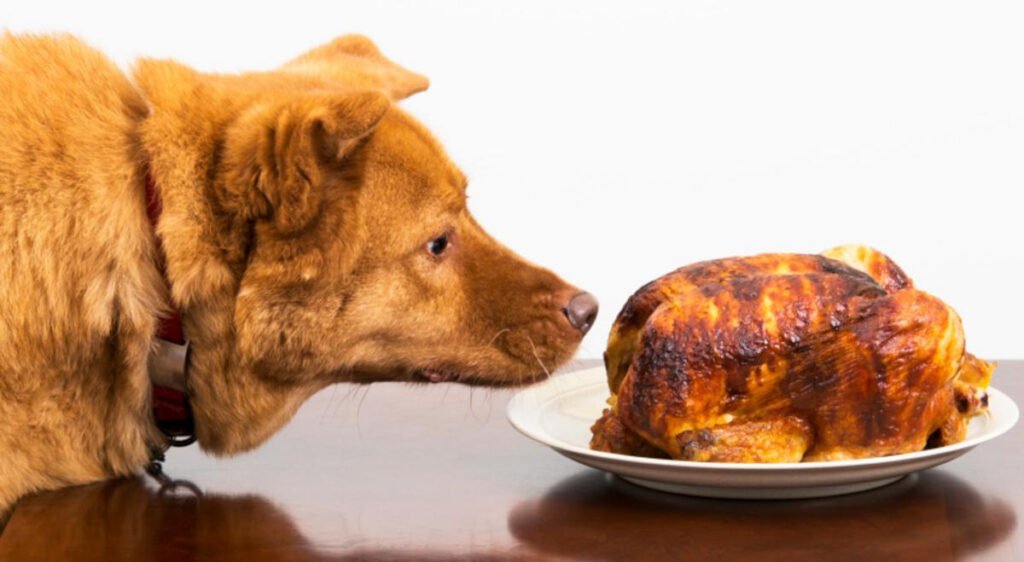
A roasted turkey is typically part of a Thanksgiving meal or other family gatherings. If your dog sits near the turkey, and starts to peer at the food, you might ask yourself, “Can dogs eat turkey skin?
But keep in mind, the best answer is that you shouldn’t give your dog turkey skin.
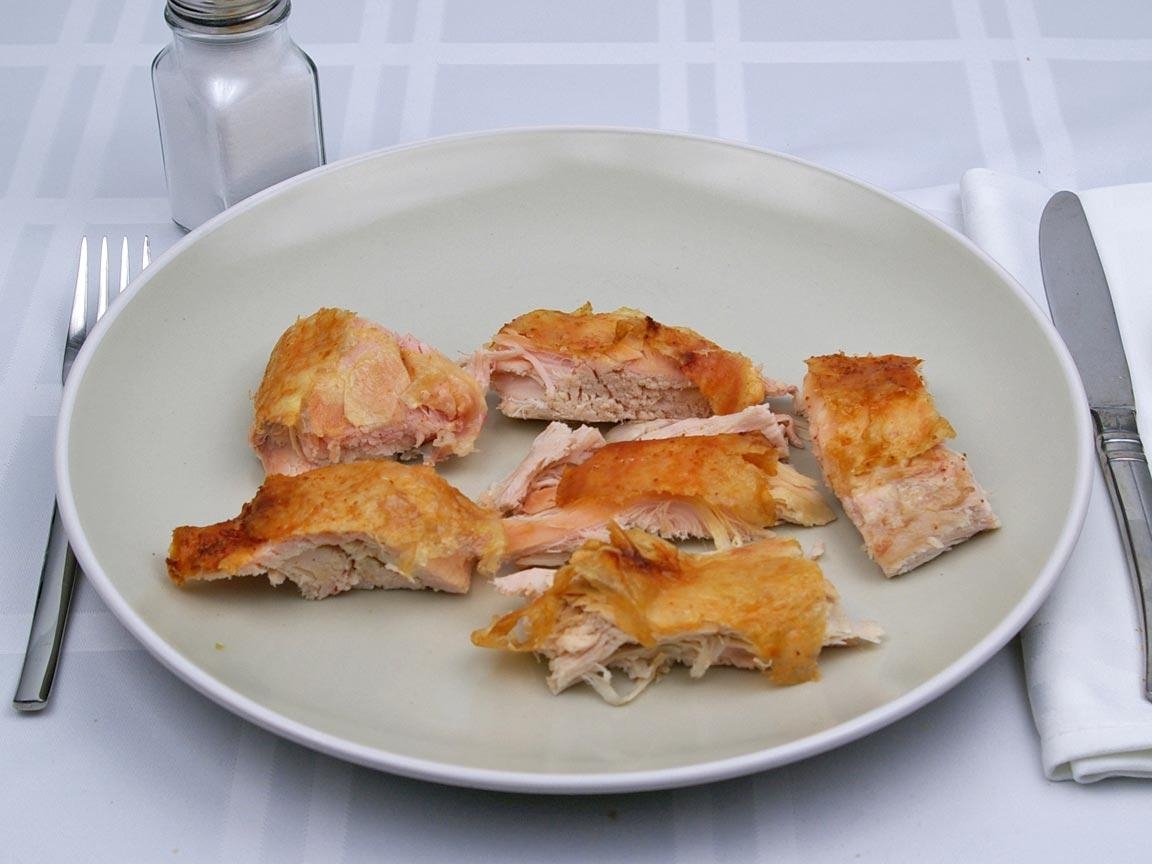
A plain, fully cooked turkey meat can be an acceptable treat occasionally for many healthy dogs. Turkey skin is different, too, because it tends to be fattened and may even include salt, butter, garlic, onion or other seasonings in the process.
While some dogs may not need to worry about a small bite, it’s not a wise idea to feed turkey skin to any dog deliberately. Some breeds, as well as certain health-related issues, might make dogs with sensitive stomachs more susceptible to digestive issues.
Why Is Turkey Skin Not Suitable for Dogs?
Turkey skin isn’t suitable for dogs.
The most significant problem with turkey skin is its fat content.
While dogs require fat in their diet, excessive amounts in the diet can lead to stomach upset and may be a factor in the development of pancreatitis in some dogs.
Butter, oil, salt and seasoning can also be absorbed into the turkey as it cooks.
This is quite different from regular turkey meat.
In this case, it’s better to take the turkey skin off before feeding it to your dog in small portions.
Can Dogs Eat Plain Turkey?
Yes, some healthy dogs can eat fully cooked turkey meat without any seasoning or additives, but it should be provided in small quantities.
When giving turkey to your dog:
- Remove the skin.
- Remove all bones.
Eliminate excess fat that is obvious.
Be sure to cook meat until it is done. - Do not add gravy.
Don’t eat onion or garlic. - Avoid heavy seasoning.
Divide meat into small pieces.
Some people find it easier to choose plain turkey breast since it is leaner than the skin and fatty scraps.
What About Turkey Skin Cooked With Seasoning?
More reason to not eat turkey skin.
Some of the ingredients used to make holiday turkey include:
- Butter
- Oil
- Salt
- Garlic
- Onion
- Spices
- Gravy
- Marinades
Both garlic and onion are poisonous to dogs.
An old turkey skin can then have more than fat in it.
It’s best not to share the skin with your dog if you weren’t able to see how the turkey was prepared.
Is It Safe for Dogs to Eat Turkey Skin From a Roasted Turkey?
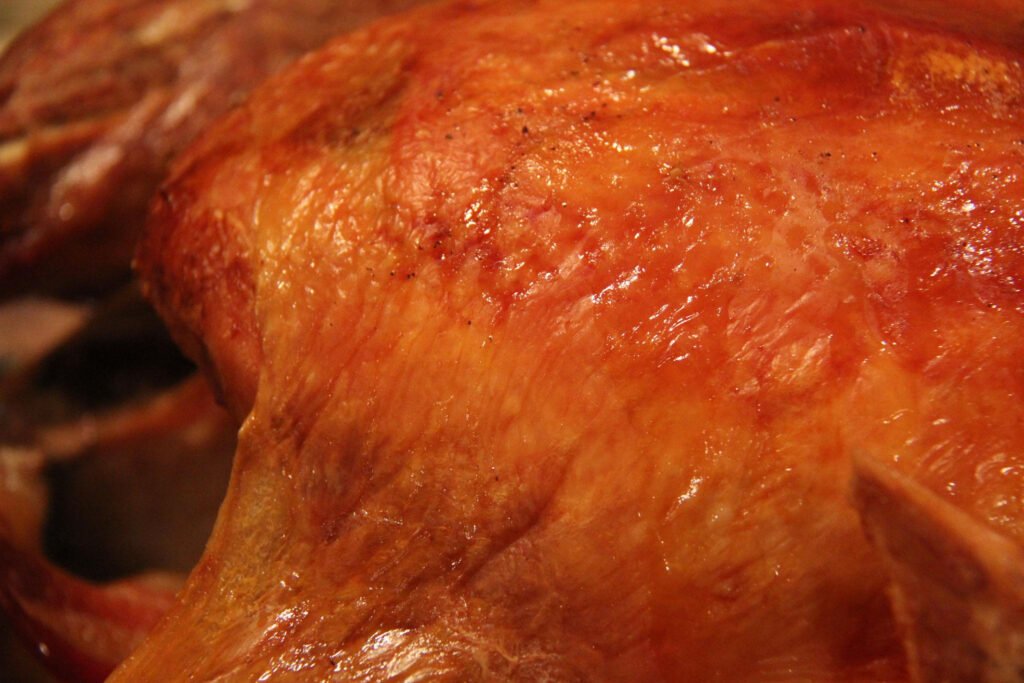
Turkey skin is still a no-no when roasted.
The fat content is not a concern when roasting. Actually, the turkey fat can be absorbed by the skin and the skin could be coated in cooking oils or seasonings.
Rather, take a small sample of turkey meat from inside the bird.
Ensure that no bones, skin, gravy or seasoning are on the piece.
Can Puppies Eat Turkey Skin?
Turkey skin is not a good treat to give to puppies.
The nutritional needs of puppies are different due to their growth stage. They should be fed a full and balanced puppy diet as their primary source of nutrition.
Fatty foods can also cause stomach problems.
If you want to treat your puppy in a small portion, you might want to consider treating him with fully cooked, boneless turkey without the skin or seasoning.
Make it a small amount.
Can Dogs With Sensitive Stomachs Eat Turkey Skin?
Turkey may not be a good option for dogs with sensitive digestion.
Eating fatty foods can lead to vomiting, diarrhea or other digestive issues.
Some dogs may require a strictly controlled diet, as well.
Ask your veterinarian before feeding table food if your dog has a history of digestive issues, pancreatitis, obesity or another medical condition.
What Is Pancreatitis?
The term “pancreatitis” refers to pancreatitis – inflammation of the pancreas.
Fat can also play a part in pancreatitis and some dogs could be more sensitive to high fat foods than others.
Some symptoms are vomiting, diarrhea, loss of appetite, weakness and stomach pain.
If your dog is showing signs of possible pancreatitis, it is important that they receive veterinary treatment.
Keep the situation under control at home using leftover Thanksgiving food.
How Much Turkey Can a Dog Consume?
There’s no set figure that’s appropriate for every dog.
This will depend on the size, age, activity level, health and normal diet of your dog.
If you have never given your dog turkey before, it is best to give it a small quantity of plain turkey.
Treats and other food items should be a small percentage of a dog’s total calories.
The stomach upset can also be caused by a large serving of turkey, even if it is plain.
How to Safely Give Turkey to Your Dog
If you wish to feed your dog turkey, here is a simple procedure to follow:
1. Choose Plain Meat
Take a portion of cooked turkey meat.
2. Remove the Skin
Trim off any fat and excess skin.
3. Check for Bones
Check to ensure that there is no bone in the piece.
The cooked turkey bones may become brittle and break into sharp pieces.
4. Avoid Seasoning
Avoid feeding turkey dressed with onion, garlic, gravy, butter or strong seasonings.
5. Cut It Small
Cut the turkey into small pieces that are easy for your dog to eat.
Other Thanksgiving Foods to Avoid
While the list above may be the most obvious, these are some other Thanksgiving dishes to steer clear of.
Not everything that is eaten for Thanksgiving can cause issues.Turkey skin is not the only Thanksgiving meal item that can produce problems.
These are foods to avoid giving to your dog:
- Turkey bones
- Turkey skin
- Gravy
Foods that are filled with onion or garlic. - Chocolate
- Grapes
- Raisins
- Macadamia nuts
- Alcohol
- Xylitol
- Very salty foods
- Sugary desserts
- Raw yeast dough
Avoid letting dogs come near plates or food at mealtimes.
What If Your Dog Ate Turkey Skin?
Don’t panic if your dog eats a small piece of turkey skin.
Pay attention for any evidence of a tummy ache—vomiting, diarrhea, lack of appetite or unusual lethargy.
If your dog consumes excessive amounts of fatty turkey skins, eats it more than once, indicates pain, becomes weak or is concerned, consult your veterinarian.
In case the turkey skin is put under a potentially harmful substance like onion, garlic, xylitol, or other, consult a vet immediately.
Never make your dog vomit unless directed to do so by a veterinary professional.
How to Keep Dogs Safe During Thanksgiving
The best way to avoid issues is to make sure that human food is not in your dog’s reach.
Don’t allow family to feed the dog from the dinner table.
Feed your dog its usual time and food.
If you want to share the festivities with your pooch, cook a little of turkey plain, then add seasonings and sauces.
Dogs may be tempted by turkey bones, greasy leftovers, wrappers and food scraps; keep trash cans closed.
Final Answer: Can Dogs Eat Turkey Skin?
But can dogs eat turkey skin? The answer should be “no”.
Turkey skin is generally fatty and may be flavoured with butter, oil, salt, garlic, onion or other flavours. These ingredients can turn a dog-friendly turkey into a not-so-doggy treat.
A healthier choice is to have a small portion of boneless, fully cooked turkey meat, skinned and with fat trimmed away.
Keep in mind that treats can make up no more than 10% of your dog’s diet. The majority of your dog’s daily diet should consist of his normal complete and balanced dog food.
Before you share Thanksgiving foods with your dog, check with your veterinarian if your dog has a health condition or is on a special diet.
With a bit of care and planning, your dog can enjoy the holiday without all the undesirable risks of fatty or heavily-seasoned table food.