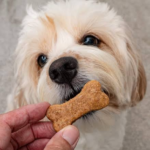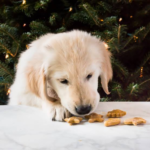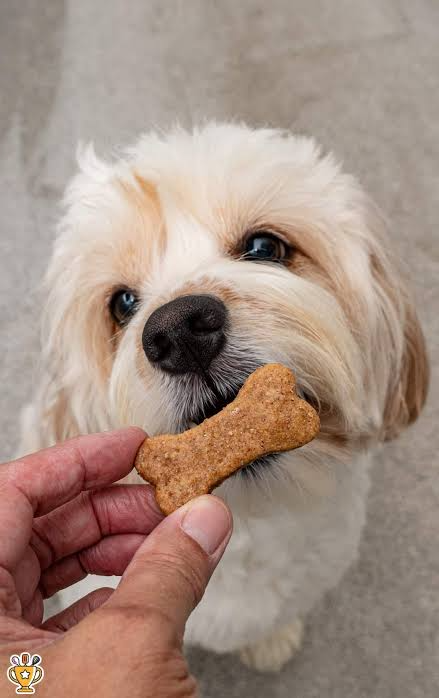
Making homemade dog chew treats can be an easy way to provide your dog with a tasty snack while you know exactly what you are giving him. Many dog owners love creating homemade dog treats due to the fact they can pick simple ingredients and tweak the recipes to fit their dog’s requirements.
But homemade foods should be used as a treat and not a substitute for a well-balanced dog food. Dogs also have varying dietary requirements, allergies and health issues, and the ingredients should be carefully selected.
These homemade dog chews can be helpful in training, as rewards or as an occasional snack. When your dog is eating a chew, always watch them (particularly if the chew is hard or if your dog gulps its food down).
What Are Homemade Dog Chew Treats?
Dog chew treats are food items made at home that are safe for dogs to eat.
A chew treat is usually harder and a longer chew for a dog than a regular soft dog biscuit.
Here are some quick and easy, DIY solutions:
- Sweet potato chews
- Pumpkin treats
Chews by Apple and oat. - Carrot-based treats
These are the types of dog chews that are available for sale.
Treats: chicken and vegetable
The right recipe will vary according to your dog’s age, size, chewing habits and nutritional requirements.
Homemade dog chews offer a variety of advantages.
There are a few benefits to homemade dog treats.
You control the ingredients.
You understand the ingredients of the recipe.
This can help you steer clear of ingredients that your dog is unable to consume or will not tolerate.
Simple Ingredients
Simple ingredients like pumpkin, oats, sweet potato, carrots or plain meat are common in homemade dog treats.
Useful for Training
Use of small pieces as rewards during training.
Keep in mind that treats are calories and need to be incorporated into your dog’s daily diet.
Easy to Customize
Smaller dogs get smaller treats and larger dogs get larger treats!
These dog treats are simple to make and delicious!
Homemade Sweet Potato Dog Chews
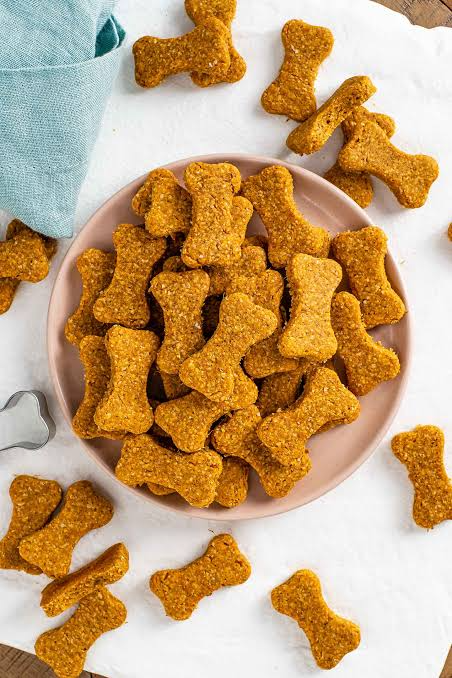
Simple chewy dog treats are made from sweet potatoes.
Ingredients
- 1 large sweet potato
This is all you need.
Instructions
Thoroughly wash the sweet potato.
May be peeled if desired.
Slice into even, thin pieces.
Arrange on parchment paper lined baking tray.
Bake them at a low temperature until they become dry and firm.
It will take about as long as it takes to cook a pizza, depending on the thickness of the slices and oven.
Wait until it’s completely cool before you give it to your dog.
It’s safe to play with, the finished texture should be suitable for your particular dog’s chewing powers.
Homemade Pumpkin Dog Chews
Pumpkin can also be used to make homemade treats for dogs.
Serve plain pumpkin puree, no sugar, spices or other additions.
Pumpkin can be combined with plain oats and used to create small baked goods.
Simple Ingredients
Increase the amount of plain pumpkin puree to 1 cup.
- 2 cups oat flour
Combine all ingredients to make a dough.
Roll and cut out small pieces of dough.
Bake until treats are set and cooked through.
Serve after they have completely cooled down.
Pumpkin pie filling should not be given to dogs as it may contain sugar and spices that are not appropriate for their consumption.
Peanut Butter Dog Chews
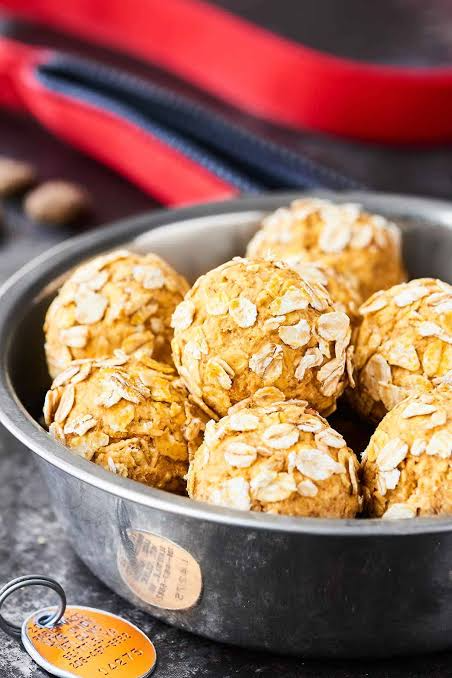
Some homemade dog treats can include peanut butter, however, it is important to check the ingredient label.
Do not use peanut butter that contains xylitol (aka birch sugar). Dogs are very sensitive to the ingestion of xylitol.
Opt for unscented peanut butter that does not contain xylitol and stay away from the unnecessary added ingredients.
Two common ingredients, oats and peanut butter can be mixed in a simple recipe with pumpkin.
Combine ingredients into a thick dough, form into small pieces and bake until set.
Be sure to read the label before feeding peanut butter to your dog.
Carrot Dog Chews
A carrot can be an easy ingredient to use for homemade dog treats.
Serve as plain cooked carrot chunks, or use carrots in a baked treat recipe.
Trim pieces to fit your dog’s mouth and chewing style.
Do not assume that the whole product is safe for dogs because the product ingredient is safe for dogs.
Treatment shapes, hardness and size also play a role.
Chicken Dog Chew Treats
The plain cooked chicken can be incorporated into homemade dog snacks.
Take out all bones and cook chicken until it’s thoroughly cooked.
Avoid adding onion, garlic, a lot of spices or spicy food.
Small treats can be made from plain cooked chicken mixed with a good dog food (try oats).
Never give cooked chicken bones to dogs. Cooked bones can be broken and cause serious injuries.
Ingredients to Avoid in Homemade Dog Chew Treats
Safety of the ingredients is crucial when making DIY dog chew treats.
Do not use:
- Chocolate
- Grapes
- Raisins
- Onions
- Garlic
- Xylitol
- Macadamia nuts
- Alcohol
Caffeinated foods or drinks - Raw yeast dough
- Cooked bones
There are certain foods that may be safe for humans, but not safe for dogs.
If you’re not sure about an ingredient, consult your veterinarian before using.
How to Make Homemade Dog Chew Treats Safer
Treat size and treat texture are important.
A treat needs to be appropriate for your dog’s size and the way she chews.
Hard sweets can cause tooth damage.
Some dogs may choke on very small treats.
If your dog eats rapidly, you may need to give more attention.
Never leave a new chew out of your dog’s reach while he’s eating.
If your dog has dental issues, tooth loss, or chewing issues, consult your veterinarian on which type of treat is best.
Homemade Dog Treats for Puppies
It is important to realize that puppies’ needs differ from those of adult dogs.
They have underdeveloped teeth and digestive systems.
Select chewable, soft treats in small amounts.
Don’t give very tough chews to puppies unless your vet says it’s okay.
Pup fish treats should also be simply small, to stop overfeeding.
Before adding homemade treats to your puppy’s diet, consult your vet if he has a sensitive tummy or is allergic to certain foods.
How Often Can Dogs Eat Homemade Dog Chews?
Treats should not make up too large a proportion of your dog’s diet.
One of the general rules of veterinary medicine is to provide “treat time” no more than 10% to 25% of daily feedings.
This will vary according to the size, age, activity level and health of your dog.
If your dog is a big eater, you might have to be more strict with the amount of food that you offer.
How to Store Homemade Dog Treats
If you’re not using them as soon as you can, the storage will vary according to ingredients and moisture content.
Dry baked treats may be stored in an airtight container for a brief time.
Meat, milk and other perishable foods may require refrigeration in treats.
Never store treats as soon as they have cooled.
Throw away treats that have mold, an unusual smell, or other indications that they have begun to spoil.
If you’re not sure, get rid of them.
Homemade Dog Chew Treats for Training
Dog chews that are made at home are widely considered to be the best option for training purposes.
Treats made at home can be effective training rewards, if they are small.
Divide big treats into small bits to reward your dog without the excessive calories.
Be sure to reward your dog shortly after it performs the behavior.
Store treats in a clean container; always wash hands when handling food.
Final Thoughts
Making homemade dog chew treats is a simple way to occasionally treat your dog.
Simple recipes can include the use of some of the following ingredients: sweet potato, plain pumpkin, carrots, oats, and carefully chosen peanut butter. But safety of ingredients, size of treats and texture are a big part of the recipe as well.
Do not use toxic chemicals like chocolate, grapes, raisins, onions, garlic or xylitol. Steer clear of chew bones that have been cooked and keep an eye on your dog while he or she is chewing on any bone.
A homemade treat should be given in addition to a well-balanced diet, not in place of. Before giving your dog new treats, consult your veterinarian if you know that he has allergies, dental issues, a sensitive stomach or other health problems.
Simple ingredients and careful preparation can make for tasty dog chews that will fit into your dog’s daily routine with proper portion control.