A roasted turkey is a common addition to a lot of family dinners, including Thanksgiving. You might ask yourself, “Can dogs eat turkey skin?”, when the dog is sitting nearby and gazing at the food.
The best answer is, “no, don’t give turkey skin to your dog.
For many dogs, the meat of a plain turkey, after being cooked through, can make an acceptable occasional food. Turkey skin is distinct because it’s typically fatty and may be seasoned with salt, butter, garlic, onion or other flavors.
An incidental bite may not be a problem in all dogs, but if you decide to give a dog turkey skin on purpose, it’s not something you want to do. Certain health issues or dogs with sensitive stomachs may be more susceptible to digestive issues.
Why Turkey Skin Is Not a Good Choice for Dogs?
One of the problems with turkey skin is its high fat content.
Fat in the diet is essential to dogs, but excessive amounts of fat in the diet can upset the stomach and may lead to pancreatitis in some dogs.
Butter, oil, salt, seasoning can also be absorbed by turkey skin during the cooking process.
Not at all like regular turkey meat.
It’s best to take the skin off before feeding your dog a small part of the turkey, for this reason.
Can Dogs Eat Plain Turkey?
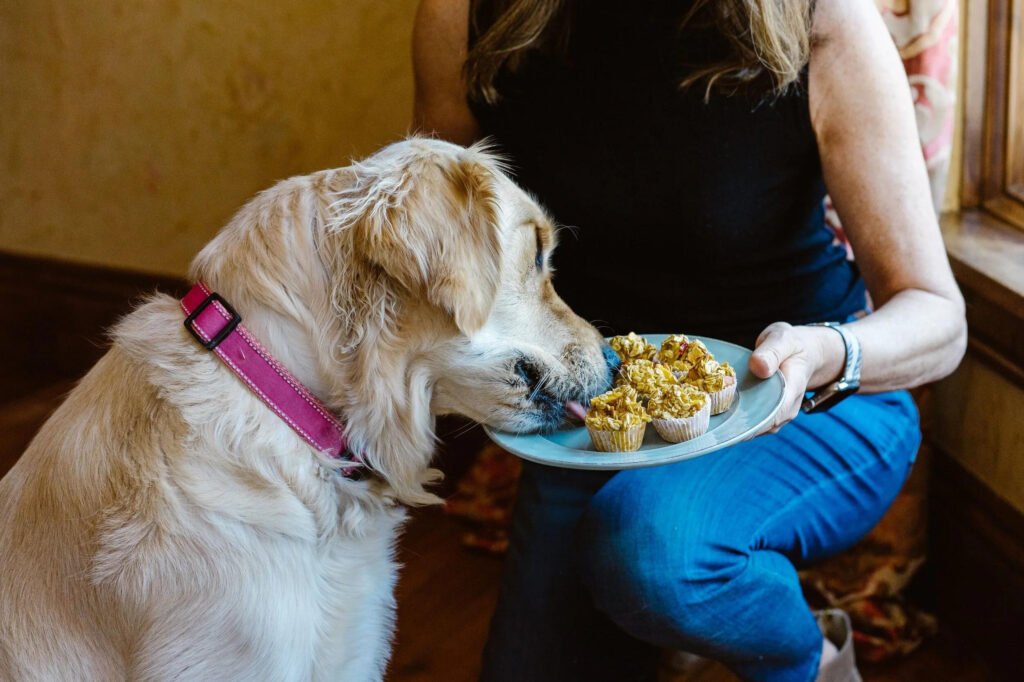
Absolutely, fully cooked turkey meat can be a good food for many healthy dogs, even in small quantities.
When feeding turkey to your dog:
- Remove the skin.
- Remove all bones.
Trim off any fat that is visible.
Be sure to cook the meat until it is thoroughly cooked. - Do not add gravy.
Do not use onion/garlic. - Avoid heavy seasoning.
Tear up the meat into small chunks.
A plain turkey breast is usually easier to find, as it is leaner than skin and fat.
But What About Turkey Skin With Seasoning?
Another reason not to use turkey skin is the following.
Turkeys are usually cooked with the following ingredients:
- Butter
- Oil
- Salt
- Garlic
- Onion
- Spices
- Gravy
- Marinades
Garlic and onion can be harmful to dogs.
Seasoned turkey skin might thus be made up of more than fat.
It’s best to not share turkey skin with your dog if you can’t be sure how it was cooked.
Can Dogs Eat Turkey Skin From a Roasted Turkey?
Dogs can eat turkey skin from a roasted turkey, but it shouldn’t be their diet.
It’s still a bad idea to eat roasted turkey skin.
The worry about its high fat content doesn’t go away during roasting. But the skin can easily be a source of a lot of the turkey’s fat, and it may also be smeared with seasonings or cooking oils.
Rather, cut out a small portion of the plain turkey meat on the inside.
Please ensure no bones, skin, gravy or seasoning on the meat.
Are Puppies Able to Eat Turkey Skin?
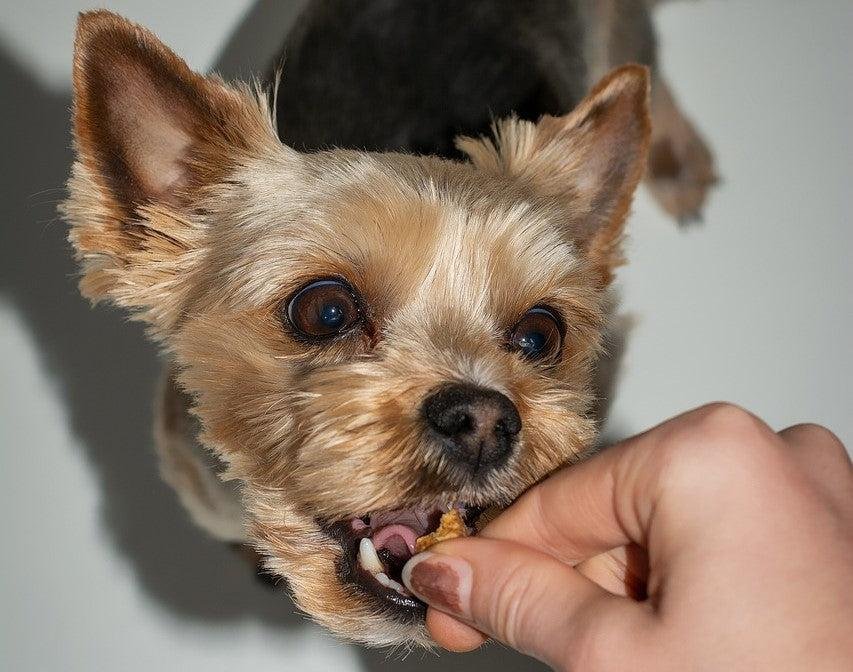
Turkey skin should not be used as a treat to puppies.
Puppeys grow nutritional needs differ from those of adults. They should be fed a well-balanced, complete puppy diet.
Fatty foods may lead to digestive issues as well.
If you want to reward your puppy with something small for Thanksgiving, fully cooked and boneless turkey with no skin or seasoning might be a better choice.
Make sure it is very small.
Can Dogs With Sensitive Stomachs Eat Turkey Skin?
Some dogs may be more sensitive to turkey skin than others, so it may be unfit for them.
Fats make it harder for the digestive tract to function properly and may lead to vomiting and diarrhea.
Some health issues can also impact a dog’s need for a carefully monitored diet.
Please consult your veterinarian before feeding table scraps to your dog if he or she has an existing health issue, such as digestive problems, pancreatitis, obesity, or any other medical condition.
What Is Pancreatitis?
When the pancreas becomes inflamed, it is called pancreatitis.
One of the causes of pancreatitis can be dietary fat; certain dogs may have increased sensitivity to fatty foods.
The symptoms are vomiting, diarrhea, loss of appetite, weakness, and abdominal pain.
If the dog has possible pancreatitis, he should be seen by a veterinarian.
Avoid using leftovers from Thanksgiving supper to treat the disease.
But How Much Turkey Can a Dog Eat?
There is no one-size-fits-all amount, this is not an amount for all dogs.
It will depend on the size, activity level, health and normal diet of your pet.
If your dog isn’t familiar with what turkey tastes like, you should give them a small amount of plain turkey meat.
Treats and additional food should be a small percentage of a dog’s calories.
Even plain turkey can cause stomach discomfort, due to the large serving size.
How to Safely Feed Turkey to Your Dog
Feeding turkey to your dog is not difficult if you follow these steps:
1. Choose Plain Meat
Remove from the turkey a very small portion of cooked meat.
2. Remove the Skin
Scrub thoroughly to get rid of skin and excess fat.
3. Check for Bones
Make sure there are no bones in the piece.
Turkey bones can become hard when cooked and they can break into sharp bits.
4. Avoid Seasoning
Never feed turkey with onion, garlic, gravy, butter or strong spices.
5. Cut It Small
Slice turkey into small chunks and make sure your dog can manage eating those.
Other Thanksgiving Foods to Avoid
However, turkey skin isn’t the only Thanksgiving food that can cause issues.
Avoid feeding your dog these foods:
- Turkey bones
- Turkey skin
- Gravy
To stuff with onion/garlic - Chocolate
- Grapes
- Raisins
- Macadamia nuts
- Alcohol
- Xylitol
- Very salty foods
- Sugary desserts
- Raw yeast dough
Don’t place plates and serving dishes near dogs while they are eating.
If Your Dog Eats Turkey Skin, What Should You Do?
Don’t panic if your dog consumes a small amount of turkey skin.
Keep an eye on your dog for any of the following symptoms: vomiting, diarrhea, loss of appetite or unusual tiredness.
If your dog consumes a significant amount of fatty turkey skin, vomits multiple times, is in pain, is weak or has cause for concern, call your veterinarian.
If onion, garlic, xylitol or another harmful substance is in the turkey skin, please consult your veterinarian immediately.
Never induce vomiting unless directed to do so by a veterinarian.
How to Keep Dogs Safe During Thanksgiving
The best way to avoid beagle issues is to not leave human food around your dog.
Inform family members to refrain from dining with the dog.
Feed your dog as you would normally do.
If you do want to celebrate with your dog, make just a little plain turkey, and then add on the seasonings and sauces.
Close trash cans to prevent dogs from eating turkey bones, greasy remains, wrappers and food scraps.
Final Thoughts
Yes, dogs can eat turkey skin.
Therefore, can dogs have turkey skin? Saying no is best.
Turkey skin tends to be fat-rich and can be seasoned with butter, oil, salt, garlic, onion or other spices. All of these ingredients can turn a simple turkey dog into a less palatable dog treat.
An alternative is a small portion of turkey meat that is plain, completely cooked, and unfried, with any skin and visible fat trimmed.
Keep in mind that treats should be a part of your dog’s diet, but not the main thing. Most of your dog’s daily food intake should be from its regular complete and balanced food.
Before feeding Thanksgiving foods to your dog, consult your veterinarian if your dog has a health condition and/or is on a special diet.
With a little planning, you can keep your dog away from the hazards associated with fatty or heavily seasoned table scraps and still let him enjoy the holiday.