Thanksgiving is about family, friends and a good meal! Some of the foods that can be harmful to dogs are turkey, stuffing, desserts and other holiday favorites that people love to eat.
By knowing what Thanksgiving foods are toxic to dogs, you can ensure a happy holiday for your dog. Some foods may result in stomach upset, others in poisoning or other serious health issues.
The best rule of thumb is that you should never share food from the Thanksgiving table with your dog unless you can assure that all of the ingredients are safe.
1. Chocolate
One of the significant Thanksgiving foods that are poisonous for dogs is chocolate.
Theobromine and caffeine are found in chocolate. Dogs react differently to these substances than do humans, and sufficient quantities can be harmful.
Dark chocolate, baking chocolate or other chocolate products may be particularly problematic as they may contain more theobromine.
DO NOT give chocolate desserts, brownies, cakes, or candy to your dog!
When your dog eats chocolate, get veterinary help or an animal poison service as soon as possible. Store the package to be able to give details on type and quantity of consumed food.
2. Grapes and Raisins
Never give grapes or raisins to dogs.
They are associated with severe kidney disease in some dogs and it is impossible to determine which dogs will develop severe kidney disease.
Raisins can be seen in:
- Fruit desserts
- Breads
- Stuffing
- Cookies
- Trail mixes
Avoid giving grapes to your dog, as well as foods that include raisins.
Contact your veterinarian immediately if your dog consumes grapes or raisins, before signs ever occur.
3. Onions and Garlic
Dogs can not eat onions and garlic.
They can be used in a variety of Thanksgiving recipes, such as:
- Stuffing
- Gravy
- Sauces
- Seasoned turkey
- Mashed potatoes
- Vegetable dishes
These ingredients may be in the form of raw, cooked, dried or powdered.
These are more likely to be used in holiday cooking, so take care when using them in recipes and avoid sharing with your dog.
4. Xylitol
Dogs can be very sensitive to the sweetener xylitol.
It can be added to some sugar-free foods, candies, baked goods and more.
Xylitol can cause a fast decrease in blood sugar levels and can cause serious health complications.
Before feeding food to your dog that has been packaged, inspect the ingredient list on the package.
Take your dog to the veterinarian or animal poison service right away if you suspect that your dog has ingested xylitol.
5. Alcohol
Dogs should never be given alcohol.
Do not allow your pet to have any alcohol or alcoholic beverages or foods including beer, wine, liquor or cocktails.
Alcohol can be harmful to a dog’s health if consumed.
At Thanksgiving feasts, pets might be tempted to access table-top drinks that may be of interest to them.
Don’t leave alcoholic beverages within your dogs reach and promptly clean up messes.
6. Macadamia Nuts
Dogs can be poisoned by macadamia nuts.
Any of them can be found in cookies, cakes, snack mixes, and other holiday foods.
Avoid feeding your dog macadamia nuts and foods that contain macadamia nuts.
If your dog eats macadamia nuts, contact your veterinarian for advice.
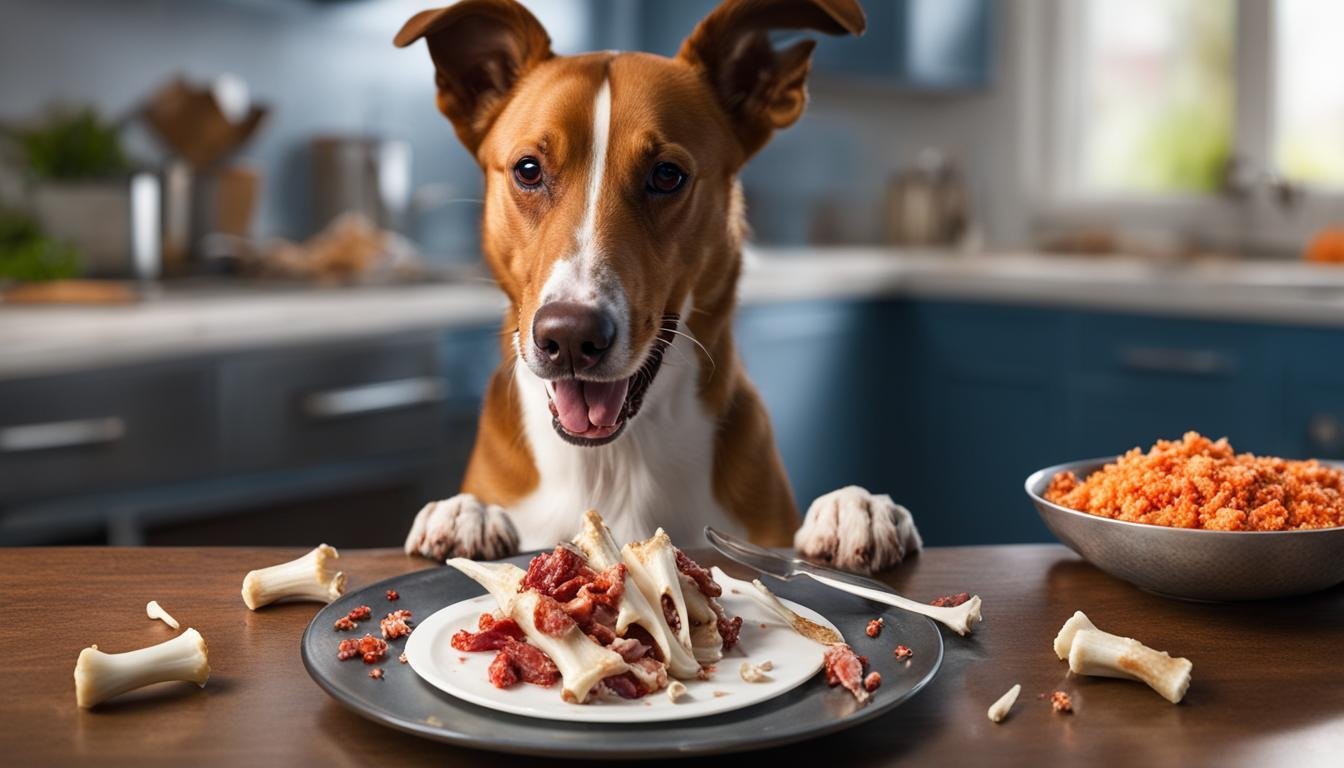
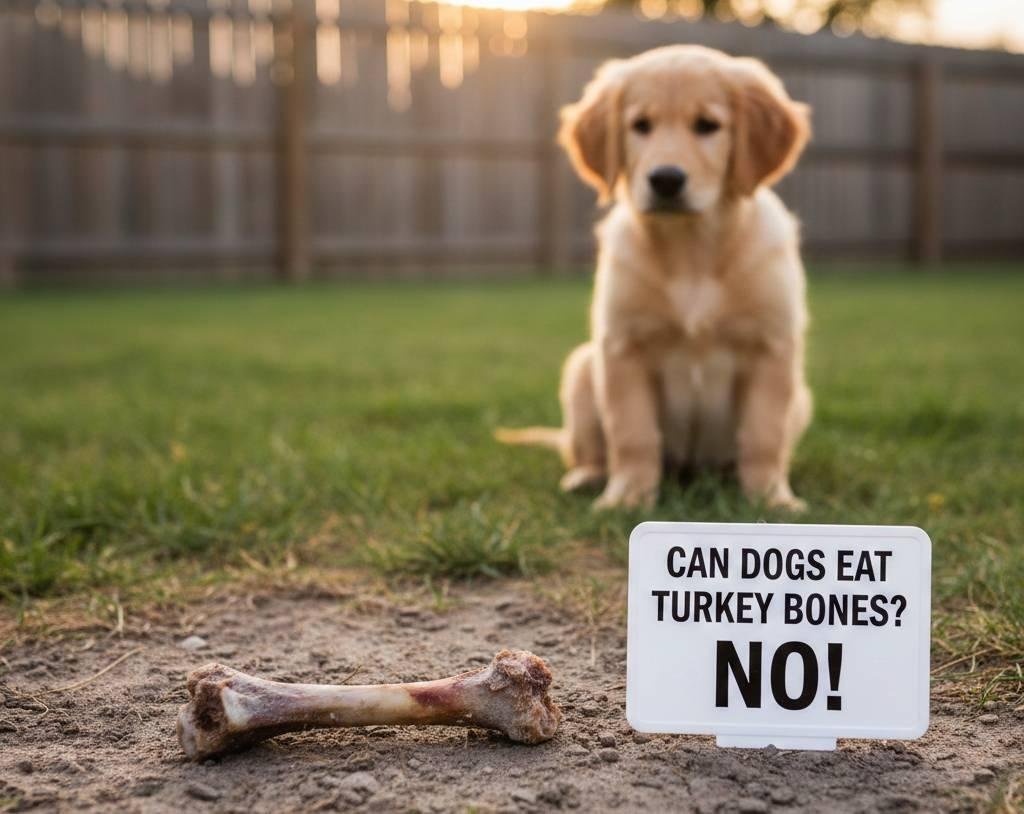
7. Turkey Bones
Turkey, plain, fully cooked, boneless and in small quantities, can be suitable for many dogs.
That is not the case with turkey bones.
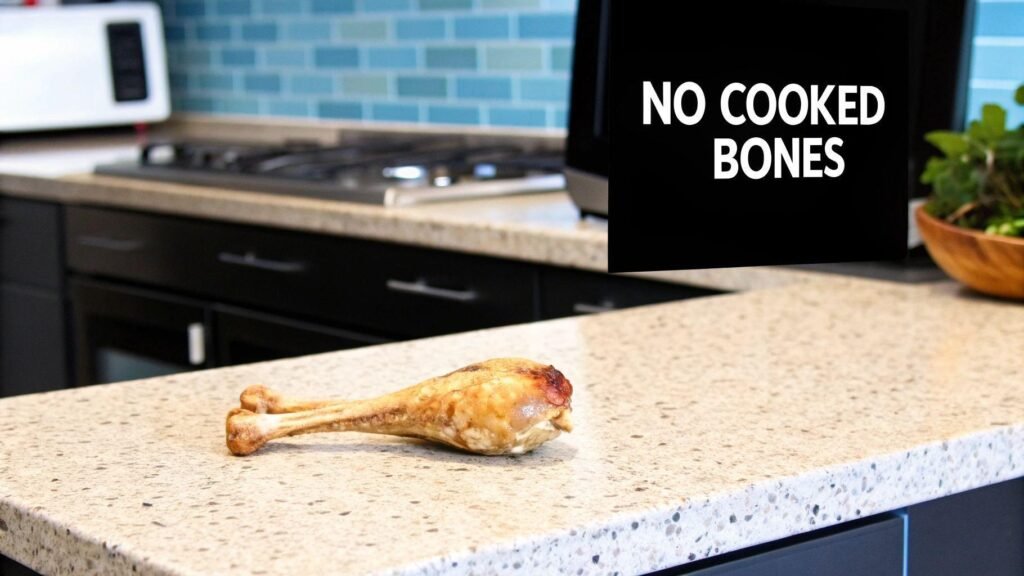
Cooked bones can become brittle and they may break into sharp pieces. Pieces may become lodged in the mouth, throat, stomach or intestines.
Do NOT give cooked turkey bones to your dog.
Put bones safely in a garbage can that is inaccessible to your dog.
8. Turkey Skin and Fatty Scraps
Turkey skin and fatty bits of leftovers are not suitable for dogs.
A considerable amount of fat may be present in the skin of a holiday turkey. It can also be sprinkled with salt, butter, garlic and onion or with other seasonings.
Fat should not be fed in excess since it can upset a dog’s stomach and can lead to pancreatitis in some.
If you are sharing turkey, take the skin and fat away, and offer a small portion of plain turkey.
9. Stuffing
St stuffing is another Thanksgiving meal that can usually be avoided by dogs.
Some recipes for stuffing include onion, garlic, butter, salt, and spices.
Although the stuffing may sound like a humdrum meal, there are a number of ingredients that may not be appropriate for dogs.
Instead, make a little of plain turkey or vegetables then season for the rest of the family.
10. Gravy
Gravy from meals served at Thanksgiving is typically too rich for dogs.
May be high in fat and salt. Onion and/or garlic are also sometimes added to gravy recipes.
If you pour gravy over your dog’s food, then you are not doing your dog a favor.Only pour a little plain turkey over your dog’s meal.
Do not put gravy in your pet’s bowl.
11. Pumpkin Pie
Simple pumpkin may be good for dogs in small quantities.
But pumpkin pie is not like that.
It may include sugar, butter, spices and other ingredients.
Some recipes may also include sweeteners that are poisonous to dogs.
Pumpkin may be introduced as an accompaniment to your dog’s meal, in its pureed form – plain pumpkin without sugar or spices added.
12. Sweet Desserts
Desserts at Thanksgiving may be too high in sugar and fat for dogs to handle.
Avoid giving your pet cakes, cookies, pies, frosting, and candy.
Other desserts might also have chocolate, xylitol, macadamia nuts and/or raisins.
These ingredients can turn a dessert much more hazardous than it appears.
13. Raw Yeast Dough
Dogs can be at risk when eating raw yeast dough.
Dough has the potential of increasing in the stomach. During fermentation, yeast can produce alcohol as well.
Remember, don’t let your dog see raw bread dough while you’re baking Thanksgiving dinner.
Be sure to not let children or guests leave dough where your pet can get it.
14. Very Salty Foods
While dogs require some sodium in their diet, excessive consumption of salty foods can be harmful.
A lot of salt can be added to Thanksgiving food, particularly:
- Processed meats
- Gravy
- Sauces
- Seasoned vegetables
- Salty snacks
Your best bet is to offer your dog plain food with no salt added.
Safe Thanksgiving Foods for Dogs
Not all of these Thanksgiving foods are harmful.
It is possible to feed a lot of healthy dogs some plain foods in small amounts.
Examples include:
- Plain cooked turkey (minus skin & bones)
- Plain cooked sweet potato
- Plain pumpkin
- Plain carrots
- Plain green beans
*The flesh of apple slices without stones or core.
Be sure to verify the whole recipe prior to sharing prepared food.
How to Keep Dogs Safe on Thanksgiving
The best way to prevent food poisoning is to plan ahead.
If you are eating a meal that has seasonings, make their dog food without the seasonings first.
Place hazardous foods on high counter or in closed containers.
Make sure that visitors don’t give the dog scraps from their plates.
Always keep an airtight bin with a lid as bones and food scraps may be very tempting.
Keep food, desserts and candy further from your dog.
What to Do If Your Dog Eats a Toxic Food
If you are aware that a turkey or other turkey-related food may be toxic to your dog, don’t wait to see if there are any signs.
Seek veterinary attention or call an animal poison service as soon as possible.
Tell them:
- What your dog ate
How many cookies did she eat? - When it happened
Approximate weight and size of your dog
If there is a food package, or a list of ingredients, retain the package.
Avoid inducing vomiting in your dog unless advised to do so by a veterinarian.
If your dog is unconscious, panting excessively, is having seizures or is very sick, it is important to get emergency veterinary treatment right away.
Final Thoughts
It’s important to be aware of the most toxic Thanksgiving foods for dogs so you can keep your dog safe during the holiday.
Avoid giving dogs chocolate, grapes, raisins, onions, garlic, xylitol, alcohol, cooked bones, raw yeast dough, and heavily seasoned foods.
Turkish meat can be a healthful option when eaten plain, fully-cooked, boneless, skinned, and in small quantities. For many healthy dogs, plain pumpkin, sweet potato, carrots and green beans are also good choices.
It is best to feed your dog a separate meal from the family.
If your pooch eats food that may be bad for them, seek veterinary advice immediately. If a dog has eaten something hazardous, prompt action can make a huge difference.
Thanksgiving can be a fun occasion with a little planning and can keep your dog safe, comfortable, and a part of the family celebration.