Halloween is a great family holiday, for dogs too! Some pet owners are keen on providing the dog with an exceptional treat during the festive season. But, Halloween also has many foods that are unsafe for the canine.
Fortunately, there are simple treats that you can make with ingredients that won’t pose a threat to your dog’s health on Halloween. You can make homemade snacks out of simple ingredients like plain pumpkin, carrots, apples, oats, and more.
The first and foremost rule is to not feed human candy to dogs. Some other food could cause serious health issues, such as chocolate, xylitol, grapes, raisins.
Here’s a guide to the foods that can be included in a dog treat, which ones to steer clear of, and how to safely serve up homemade treats.
1. Plain Pumpkin
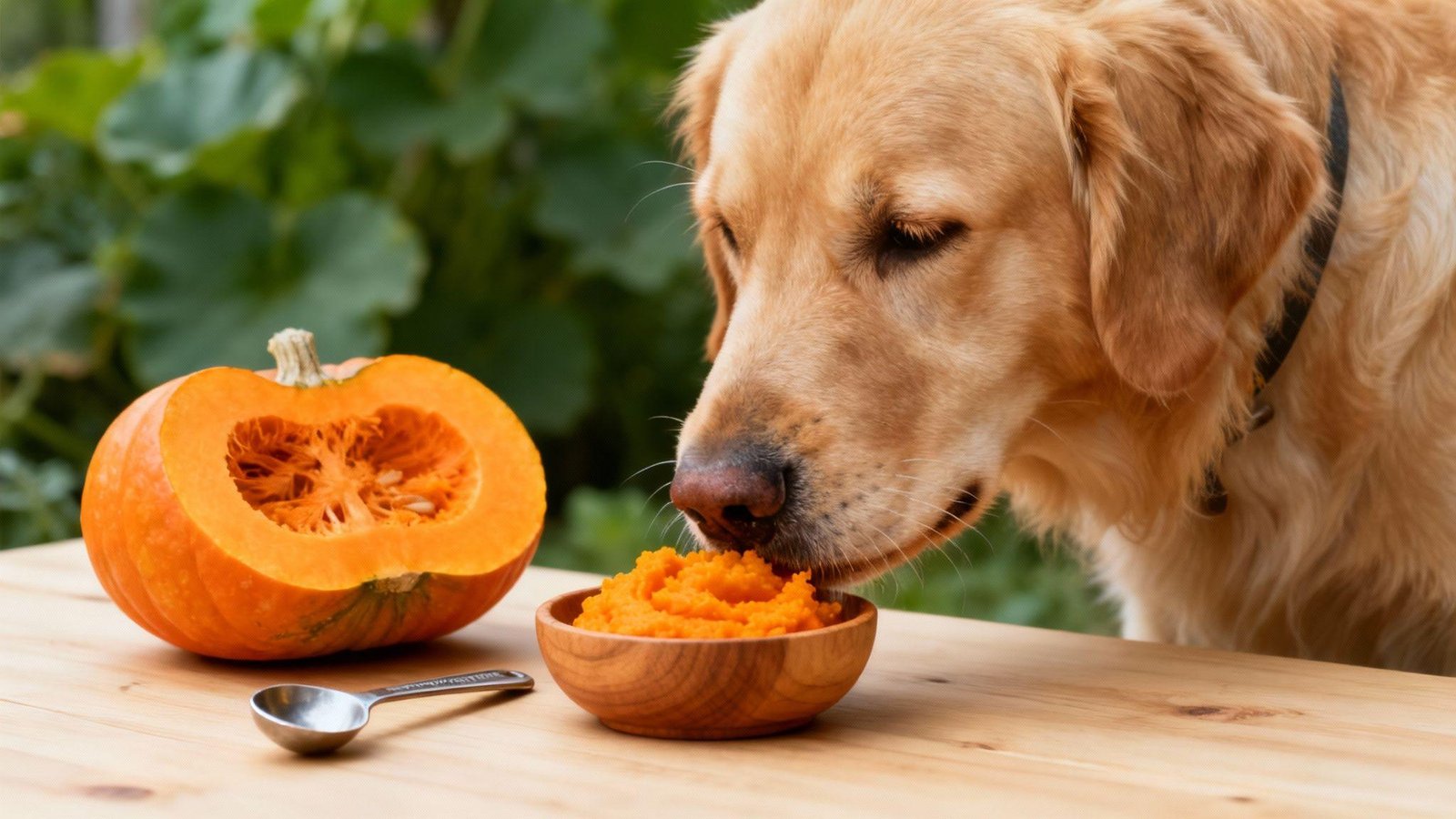
One of the most popular ingredients for homemade dog treats is plain pumpkin.
Pumpkin is a source of water and dietary fibre. It may be blended with oats, eggs or another appropriate substance to form biscuits.
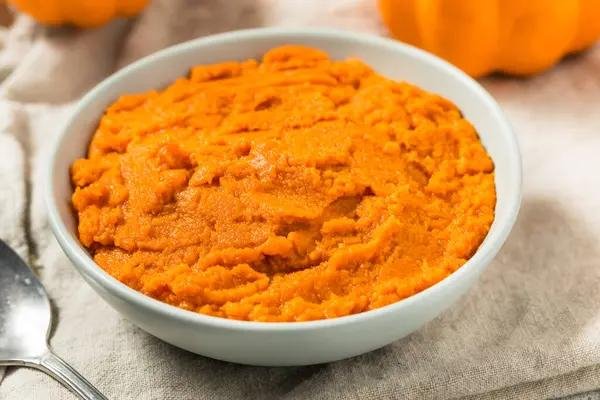
Plain cooked pumpkin or plain canned pumpkin puree can be used.
Always check the label when buying canned pumpkin.
Select 100% plain pumpkin (no sugar, salt, spices or other additions).
Never feed pumpkin pie filling as it may contain ingredients that dogs can’t have.
2. Carrots
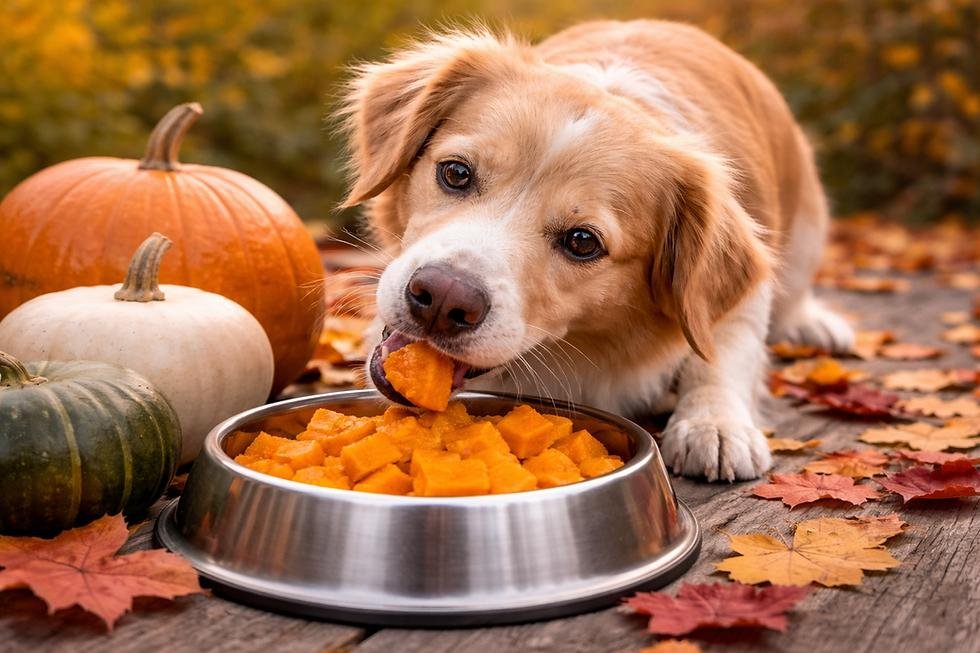
Many dogs find carrots to be an easy treat.
Either serve the carrots raw, if your dog can chew them, or prepare them by cooking till soft.
Cut carrots into small pieces which are appropriate for your dog’s size.
Cooked carrots can also be used to create basic Halloween designs.
Avoid adding butter, salt, garlic, onion or seasoning.
3. Apples
Many dogs can eat a plain apple flesh as a treat occasionally.
Rinse off the apple prior to serving.
Cut off the stem and core, and take out all the seeds.
Slice the apple into chunks.
Dogs should not eat apple seeds or hard core.
Avoid adding caramel, chocolate, sugar or other dessert toppings to apple pieces.
4. Plain Oats
Plain oats can be used in homemade dog biscuits.
Oats are a source of carbohydrates, fiber, and are used to make a basic biscuit dough.
Do not use flavored oats or oat flour with chocolate, sugar, artificial sweeteners or flavoring.
Before adding a new ingredient, be sure to consult your veterinarian if you know your dog has an allergy or a special diet.
5. Eggs
Many dogs can eat cooked eggs.
Eggs can also be used to bind the ingredients of homemade biscuits.
Cook the egg when making dog treats as part of the recipe.
Don’t add any spices, onions, garlic, butter and salt.
When introducing egg to your dog’s diet, make sure to serve him a little at a time if he has never had it before.
6. Xylitol-Free Peanut Butter
Peanut butter makes favourites for many dogs, however, there are a couple of things to be aware of when it comes to the ingredients in peanut butter.
Look for the “no xylitol” for plain peanut butter.
Try to avoid peanut butter that has chocolate or is heavily sweetened or salted.
A little can be added to homemade Halloween biscuits.
To help your dog accept peanut butter, try to feed it to them gradually.
7. Blueberries
Many dogs are able to eat blueberries as an occasional treat.
Wash before serving.
Serve a couple berries individually or add to a homemade treat.
Alternatively, blueberries can be mashed into little Halloween shapes and frozen.
No sugar, syrup, chocolate, or whipped cream be added.
8. Strawberries
Small amounts of strawberry can also be used.
Thoroughly clean and strip away the green leaves.
Slice up larger strawberries.
Serve them plain.
Don’t use strawberry syrup, sweetened sauces, chocolate or whipped cream.
Strawberries are naturally sweet, so serve small amounts.
9. Sweet Potato
Cooked and pureed sweet potato is a great addition to doggie treats.
Cook until soft and peel off the skin.
Break open the inner, serve a bit plain or add to a homemade recipe.
Never add butter, sugar, salt, garlic or onion or spices to taste.
10. Plain Cooked Chicken
Halloween treats don’t have to be sweets.
Many dogs can enjoy a tasty reward in the form of plain cooked chicken.
Cook the chicken until it is completely done and after cooking, remove all the bones.
Divide into small pieces before serving.
Avoid adding onion, garlic, spicy seasoning, sauces, butter or too much salt.
11. Seedless Watermelon
Watermelon can be given to many dogs as an occasional snack.
Discard rind and seeds.
Cut the fruit into small pieces.
Small portions can be frozen for a refreshing Halloween treat.
Avoid feeding watermelon rind and seeds to your dog.
Dogs should not eat several common foods that can be harmful to them.
It is important to know what not to use, as well as what is safe.
Don’t put these ingredients in homemade treats for your dog:
- Chocolate
- Cocoa
- Xylitol
- Grapes
- Raisins
- Macadamia nuts
- Onion
- Garlic
- Alcohol
- Coffee
- Caffeinated drinks
- Excess salt
- Large amounts of sugar
Some of these can be very serious or life-threatening to dogs.
Xylitol is particularly noteworthy as it can be used in sugar-free candy, gum, peanut butter and baked goods.
Before feeding packaged foods to your dog, read the labels.
Certain spices are safe for dogs while others are not.Some spices are harmless to dogs, while others are not.
Use caution when using spices.
Spices aren’t necessary for a yummy treat for four-legged family members.
In humans the pumpkin spice blends consist of nutmeg and other spices which are not suitable for dogs in high quantities.
In cases of homemade treats, plain pumpkin will do.
Don’t use human dessert spices without checking all the ingredients or being sure they are safe for your dog.
So how much food should a dog have in a day?How many calories does a dog need daily?
All ingredients can be a problem if taken in large doses.
Introduce a new food small amounts at a time.
How much you should treat your dog is dependent on his size, age, activity, health and normal diet.
Treats should be no more than 10% of your dog’s daily food allowance.
Excessive treats can cause weight gain or upset the digestive tract.
Your veterinarian can recommend appropriate treat sizes and choices for your dog if she has a particular health condition or is overweight.
Here are some tips to help you make safe Halloween dog treats:
Keep these basic guidelines in mind:
- Use fresh plain ingredients.
- Read labels carefully.
- Never use chocolate or xylitol.
- Core and remove seeds from apples.
- Carve watermelons and remove rind and seeds.
- Steer clear of humans as candy and frosting.
- Make small treats.
- Introduce new foods slowly.
- Be sure to keep candy out of the reach of young children who might accidentally share.
- Properly store homemade treats.
Simple recipes are typically less difficult to manage than elaborate desserts.
What if your dog eats something dangerous?
Call your veterinarian or an animal poison service right away if your dog eats chocolate, xylitol, grapes, raisins or other possible toxic items.
Don’t wait for symptoms to appear.
Maintain the product label or ingredient list. It may assist in determining the amount of food and what your dog ate.
Never try to induce vomiting without explicit instructions from a veterinarian.
Final Thoughts
There are numerous dog safe Halloween ingredients that can create easy homemade doggy treats. When used properly, plain pumpkin, carrots, apples (no seeds), oats, eggs, xylitol-free peanut butter, blueberries, strawberries, sweet potato, watermelon and plain cooked chicken are all good choices.
Less is more with ingredients! Prevent chocolate, xylitol, grapes, raisins, onion, garlic, alcohol, too much sugar and other bad foods.
Keep in mind that treats should be a small portion of your dog’s diet. The principle food item for your dog should be complete and balanced.
Before introducing new ingredients to your dog’s diet consult your veterinarian if your dog has allergies, food sensitivities or a medical condition.
If you take care of what your dog eats and supervise him well, you can have a delicious and safe Halloween without letting your dog consume human candy!..” iski heading veding teekkar ke do our kuch change mat karna